Rebuilding the 90s Virtual Pet
I had a virtual pet in the 90s, and I still have such fond memories of it. Piko started with a simple idea: bring that concept into the modern age, with new features that make it even more fun.
Piko is the result. You adopt one of six companions, look after them across a home with four rooms, play mini-games together and watch them grow. It runs in the browser, installs as an app, and has macOS and Windows builds.
This post is about the design: what made the originals work, what I kept, and what I changed.
What made the originals work
Strip away the nostalgia and the 90s pocket pets had a remarkably tight loop:
- Needs that drop while you're not looking. The pet got hungry whether or not you were holding it.
- Simple actions that fix them. Feed, clean, play, sleep.
- Real stakes. Neglect it and it got sick, and it could die.
- Growth. It changed over time, so looking after it led somewhere.
That's it. No skill trees, no currencies. The emotional pull came almost entirely from points 1 and 3: the pet existed when you weren't there, and your attention mattered.
Time keeps passing
Piko keeps four needs (hunger, joy, cleanliness and energy) plus health. When you come back after time away, the game works out what happened while you were gone. The interesting design question was how fast needs should drop.
A constant rate doesn't work. Fast enough to make a two-minute session matter, it empties every need overnight. Slow enough to survive a night, it makes active play pointless. So the rate depends on how long it's been since you last interacted:
| Since your last interaction | State | Hunger lost per hour | Joy lost per hour | Health |
|---|---|---|---|---|
| Under 15 minutes | Thriving | 4.2 | 2.6 | Slowly recovers |
| 15 minutes to 2 hours | Bored | 6 | 10 | Stable |
| 2 to 8 hours | Lonely | 12 | 18 | Starts to drop |
| 8 hours or more | Needs you | 20 | 28 | Drops quickly |
Joy falls fastest once a pet is bored, because what it misses most is you. Health only starts to drop after a couple of hours away, and drops faster for every need that has hit zero.
Coming back after a gap is calculated precisely. For each state, the game works out how many hours of your absence fell into it, and applies that state's rates:
NEGLECT_LEVELS.forEach((level) => {
  const overlapHours = Math.max(0, Math.min(idleEnd, level.to) - Math.max(idleStart, level.from));
  if (!overlapHours) return;
  petState.hunger = clamp(petState.hunger - overlapHours * level.hunger);
  petState.joy = clamp(petState.joy - overlapHours * level.joy);
  // ...clean, energy, then health, which drops faster for every need at zero
});
So eight hours away isn't eight hours of worst-case decay. It's 15 minutes of thriving, then a stretch of bored, then lonely, exactly as it would have been if you'd watched it happen.
A sleeping pet regains energy while it's well looked after, but even sleep can't fully protect a neglected pet.
Real stakes, gently
Yes, a Piko can die. Without that, the needs are just numbers. But I wanted the stakes to feel fair rather than punishing, so:
- Catch-up is capped at 48 hours. Coming back after a week away doesn't instantly kill your pet because of time you physically couldn't spend.
- The pet tells you. As it moves through bored, lonely and "needs you", the game lets you know what it's feeling.
- Loss is remembered. A pet that dies gets a memorial and a place in the graveyard, rather than vanishing.
I kept death in to give players a reason to come back. Without it, you could leave your Piko for weeks without playing, and nothing would change. The chance of losing your pet is what makes checking in matter.
Growing up
Pets grow through three stages based on age: a hatchling, then young from day three, then evolved from day seven. Each stage has its own art and set of expressions. Growth is tied to age rather than points so that it can't be farmed: the only way to get an evolved pet is to keep one alive for a week.
That idea carries over to the public leaderboard, which ranks the oldest living pets. Not the highest score: the longest-cared-for. Ties are broken by how many arcade games the pet has played. It's the most 90s leaderboard I could think of.
What's new since the 90s
Some things the originals couldn't do:
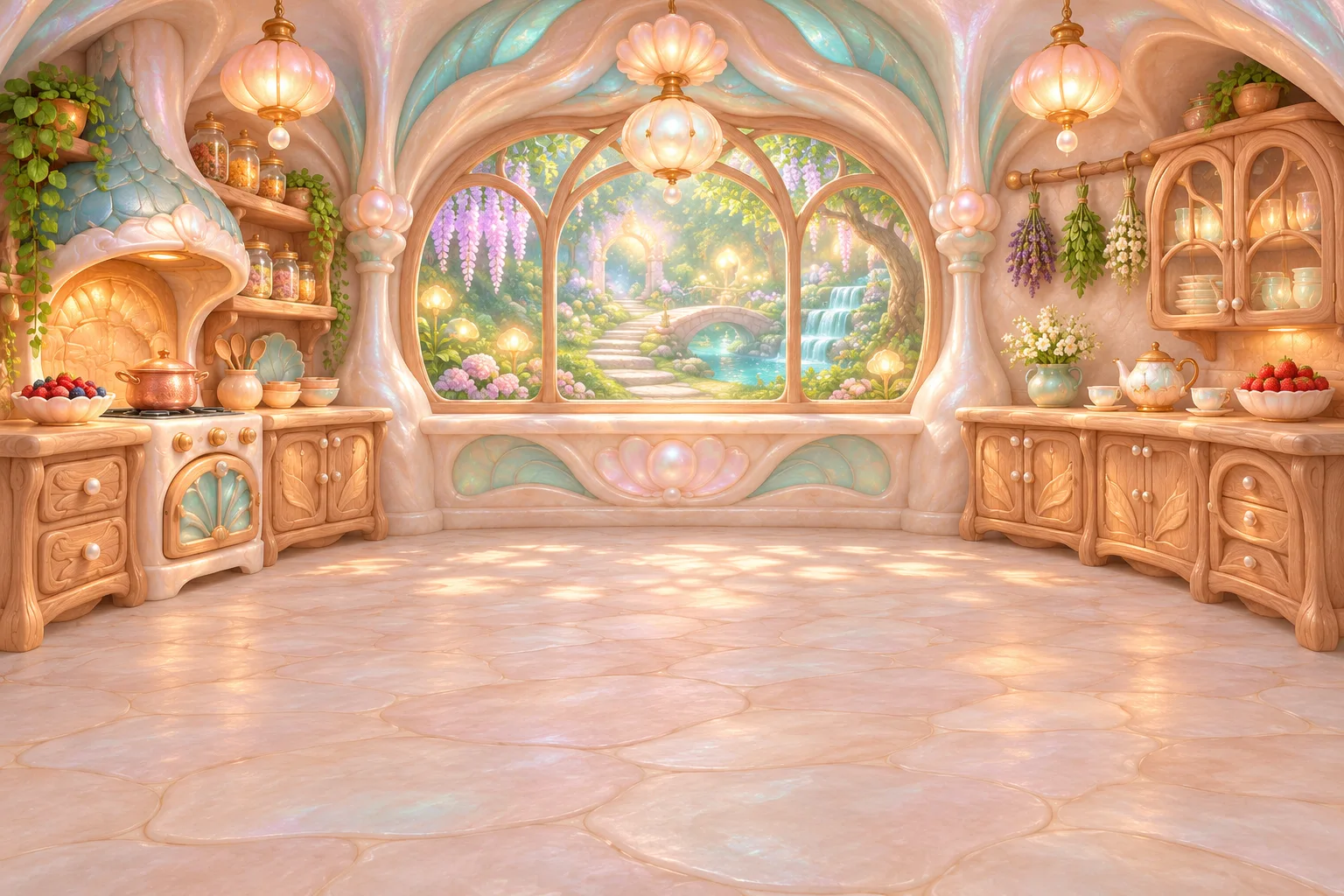
- A home to explore. Every pet world has a kitchen, bathroom, playroom and bedroom. You walk your pet to a doorway to change rooms, and each world remembers where you left your pet.
- Weather. Pets react to the weather, and each companion has its own weather it loves.
- Talking. You can talk to your pet out loud (or type), and it reacts to what you say.
- Photos. Photo mode puts your pet into your own surroundings through the camera.
- Play dates. Swap private friend codes and your pets can meet up in Friendship Meadow.
- Mini-games. Firefly Chase, Starfall Catch and Prism Run.
And some things I deliberately left out. There are no ads, and you can't pay to bring a pet back. You don't need an account either: like all my games, Piko can be played without one. Signing in is optional, and it adds cloud saves, a place on the leaderboard and the option to buy add-ons. The five original pets are free, and the add-ons are one-time purchases, not a subscription.
What I'd keep from the 90s
- Let the world continue without the player, but calculate it fairly.
- Make attention the main mechanic.
- Keep the stakes, soften the edges. Warnings, caps and memorials rather than sudden loss.
- Reward time, not grinding.
Adopt a Piko at piko-alpha.vercel.app. Try not to leave it alone too long.